Introduction
This two-day itinerary in Paris is designed for travelers who want to experience the city’s most iconic sites and cultural highlights within a short visit. It suits first-time visitors or those on a brief trip who prefer a well-paced schedule that balances sightseeing, local neighborhoods, and cuisine. The itinerary provides a structured plan for exploring Paris’s top attractions efficiently while allowing time for enjoyment and discovery.
Overview of the Destination
Paris, the capital of France, is often called the “City of Light” and is famous for its rich history, art, architecture, and culinary scene. The city offers a romantic vibe combined with vibrant urban culture. From historic monuments and world-class museums to charming streets and green spaces, Paris provides a mix of experiences that appeal to many travelers. Its blend of classic elegance and modern lifestyle makes it a destination worth visiting for those interested in culture, history, and gastronomy.
Day-by-Day Itinerary
Day 1: Key Attractions and Experiences
Begin your first day at the Louvre Museum, home to thousands of artworks including the Mona Lisa and the Venus de Milo. Plan to spend a couple of hours exploring its vast galleries. Afterward, walk through the nearby Tuileries Garden, a peaceful green space perfect for a short break.
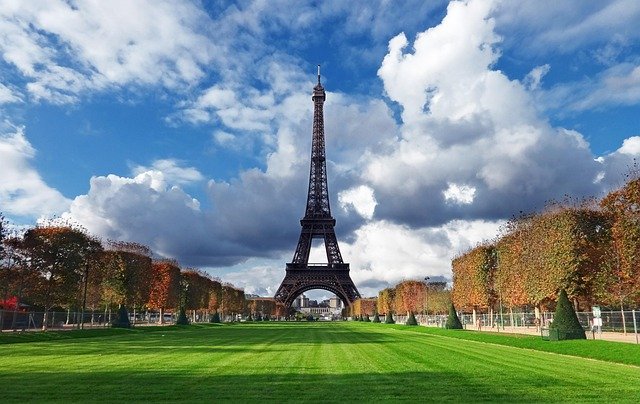
Next, head towards the Seine River and take a stroll or a brief river cruise to see landmarks from the water’s perspective. From here, visit the iconic Eiffel Tower. Whether you choose to admire it from the Champ de Mars park or go up to one of its viewing platforms, the Eiffel Tower offers memorable views of the city.
In the afternoon, explore the Champs-Élysées avenue, known for its shops, cafes, and lively atmosphere. Continue towards the Arc de Triomphe at the top of the avenue. Consider climbing the monument for panoramic city views before returning to your accommodation or enjoying dinner in a nearby bistro.
This day focuses on central Paris, covering major landmarks and allowing you to experience a mix of indoor and outdoor attractions with plenty of photo opportunities.
Day 2: Culture, Food, and Local Highlights
Start your second day in the historic Marais district, recognized for its narrow streets, boutique shops, and cafés. Take a leisurely walk around Place des Vosges, one of the oldest squares in Paris, and visit the Picasso Museum or the Carnavalet Museum to learn more about the city’s art and history.
For lunch, explore local bakeries and eateries offering traditional French dishes and pastries. Afterward, walk to Notre-Dame Cathedral on the Île de la Cité. Though the interior may be under restoration, the exterior and surrounding area provide a glimpse into Paris’s medieval past.
In the afternoon, visit the Montmartre neighborhood, known for its artistic history and the Basilica of the Sacré-Cœur. Take your time wandering its winding streets, where you can find art studios and small shops. From the steps in front of Sacré-Cœur, enjoy views of the city skyline.
Consider ending the day with a relaxed dinner in Montmartre, soaking in the bohemian atmosphere that has drawn many artists over the centuries.
Optional Day Extensions
If you have additional time, consider visiting the Musée d’Orsay, featuring impressive Impressionist and Post-Impressionist collections housed in a former railway station. A day trip to the Palace of Versailles is another option, allowing you to explore grand gardens and opulent interiors outside the city center. Alternatively, spend more time in neighborhoods like Saint-Germain-des-Prés or the Latin Quarter to experience Parisian café culture and historic ambience.
Getting Around the Location
Paris has an extensive and efficient public transportation system consisting of metro, buses, and regional trains (RER). The metro is the quickest way to move between major sites, with stations conveniently located near most attractions. Buses offer scenic routes through the city. Walking is also a great option in central Paris, where many landmarks are close to each other. For short distances, taxis and ride-sharing services are widely available. Bicycle rentals and electric scooters can provide flexible, active ways to explore.
Best Time to Visit
Paris experiences a temperate climate with distinct seasons. Spring and early summer (April to June) are popular for their mild weather and blooming gardens. Fall (September to November) offers pleasant temperatures and fewer crowds. Winter can be cold and sometimes wet but includes festive holiday decorations and markets. Summer tends to be warmer and busier. Visitors should consider weather preferences and local events when planning their trip to make the most of their time.
Travel Tips for First-Time Visitors
Arrive early at major attractions to avoid long lines and to see popular exhibits with fewer visitors. Booking tickets in advance can save time. Wear comfortable shoes as walking is common, and some areas have cobblestone streets. Keep an eye on personal belongings, especially in crowded areas. Learn a few basic French phrases, as this can enhance interactions, though many people working in tourism speak English. Finally, allow some flexibility in your schedule to explore unexpected places or relax at a café.
Frequently Asked Questions
What are the must-see attractions in Paris for a short visit?
The Eiffel Tower, Louvre Museum, Notre-Dame Cathedral, Montmartre, and Champs-Élysées are among the iconic spots recommended for a first-time or brief visit.
How can I avoid long lines at popular sites?
Consider buying timed-entry tickets online beforehand. Arriving early in the morning is also a common strategy to reduce wait times.
Is it necessary to speak French when visiting Paris?
While basic French phrases are appreciated and helpful, many staff in tourist areas speak English. Being polite and patient helps regardless of language skills.
What is the best way to travel around Paris?
The metro system offers quick and convenient travel between major attractions. Walking and biking are also pleasant methods to explore central neighborhoods.
Are there any safety concerns tourists should be aware of in Paris?
Paris is generally safe for tourists with standard precautions. Watch out for petty theft in crowded places and avoid unfamiliar areas late at night.
Plan Your Trip
Preparing for a visit to Paris involves researching attractions, booking accommodations and tickets in advance, and considering your interests and pace. Use maps and transport apps to navigate efficiently. Staying open to changes and discoveries will enrich your travel experience in this historic city.
Summary
This two-day itinerary highlights Paris’s essential attractions and cultural districts, offering a balance of iconic monuments, museum visits, and neighborhood explorations. It caters to travelers seeking a structured yet flexible plan to discover what makes Paris a world-famous destination. Efficient transport options and thoughtful timing ensure a smooth and memorable visit.