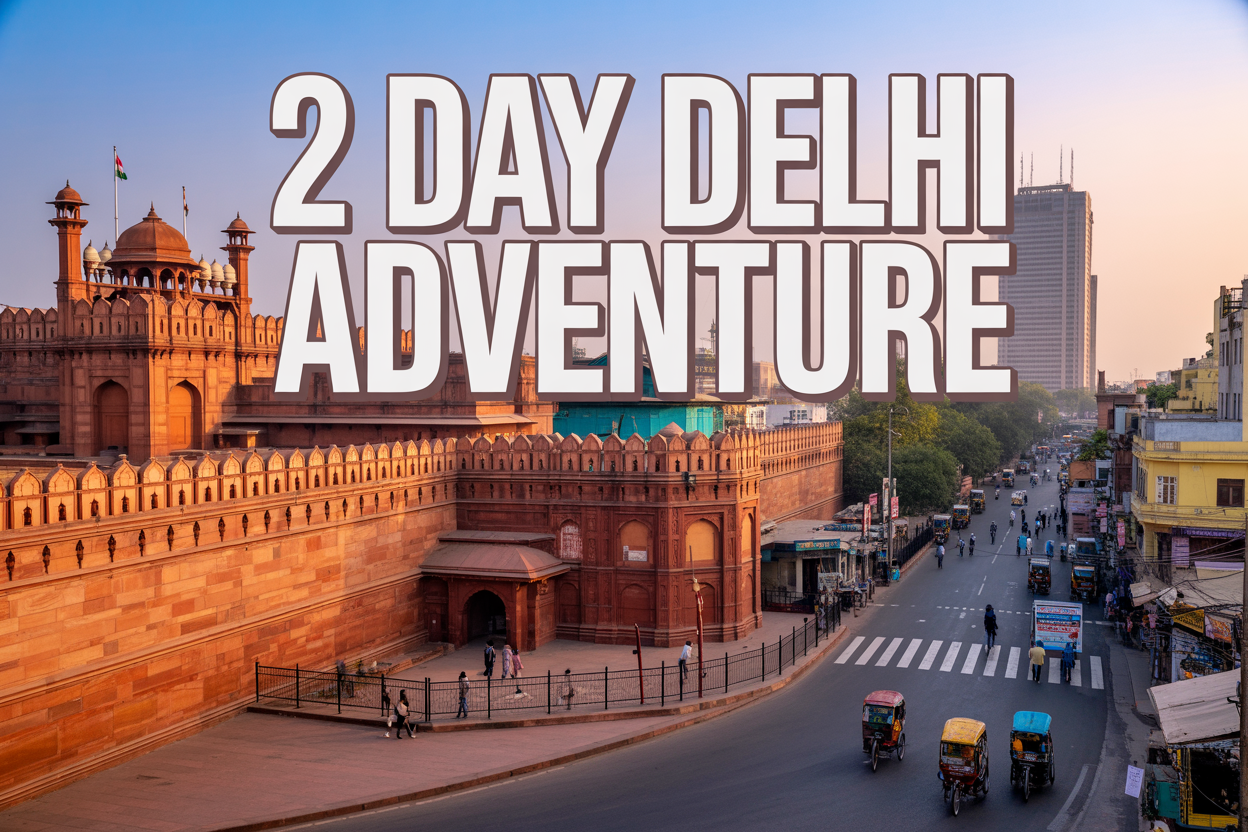
Planning a 2 day trip to Delhi can feel overwhelming with so much history and culture packed into India’s bustling capital. This guide is perfect for first-time visitors and weekend travelers who want to experience Delhi’s best highlights without the stress of poor planning.
You’ll discover how to prepare for your short stay and make every hour count. We’ll walk you through an action-packed itinerary covering Old Delhi’s historic monuments on day one, followed by New Delhi’s modern attractions and cultural hotspots on day two. You’ll also learn the smartest ways to get around the city and find the most delicious street food that makes Delhi famous worldwide.
Pre-Trip Planning Essentials for Maximum Enjoyment
Best time to visit Delhi for optimal weather and experiences
Delhi experiences three distinct seasons, each offering different advantages for travelers. October through March represents the sweet spot for visiting, with temperatures ranging from a comfortable 10°C to 25°C. The crisp winter air makes exploring outdoor monuments like Red Fort and India Gate absolutely delightful, while the clear skies provide perfect conditions for photography.
Spring months (February-March) bring blooming gardens and pleasant evenings, ideal for walking through Lodhi Gardens or enjoying street food tours. Avoid the scorching summer months (April-June) when temperatures soar above 40°C, making sightseeing uncomfortable. The monsoon season (July-September) can be unpredictable with heavy downpours disrupting travel plans.
Budget breakdown for accommodation, food, and activities
Smart budgeting makes your Delhi adventure both memorable and affordable. Here’s a realistic breakdown for different travel styles:
| Category | Budget Traveler | Mid-Range | Luxury |
|---|---|---|---|
| Accommodation (2 nights) | ₹2,000-3,000 | ₹6,000-10,000 | ₹15,000+ |
| Food per day | ₹500-800 | ₹1,200-2,000 | ₹3,000+ |
| Transportation | ₹300-500 | ₹800-1,200 | ₹2,000+ |
| Activities & Entry fees | ₹500-800 | ₹1,000-1,500 | ₹2,000+ |
Street food costs as little as ₹50-100 per meal, while restaurant dining ranges from ₹300-800 per person. Metro travel keeps transportation costs minimal at ₹10-60 per ride, while auto-rickshaws and taxis cost ₹100-500 depending on distance.
Essential documents and bookings to secure in advance
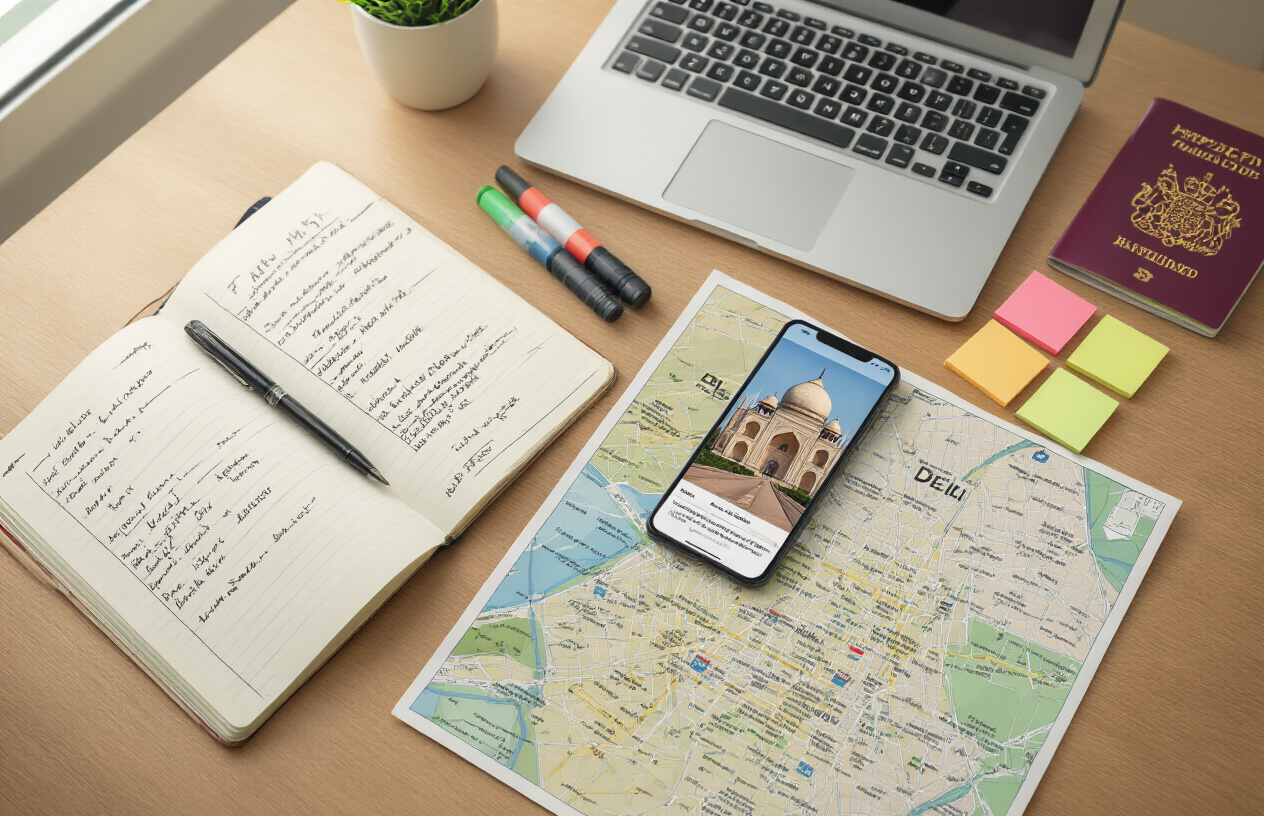
Getting your paperwork sorted prevents last-minute stress and ensures smooth entry to popular attractions. Keep multiple copies of your ID proof, whether it’s a passport for international visitors or Aadhaar card for domestic travelers.
Book these attractions online to skip long queues:
- Red Fort entry tickets
- Humayun’s Tomb
- Qutub Minar complex
- Lotus Temple (free but requires advance slot booking)
Download the Delhi Metro app and purchase a smart card for hassle-free public transport. Reserve accommodations at least two weeks ahead, especially during peak season (October-March) and festival periods like Diwali or Dussehra.
Consider booking a heritage walk tour or food tour in advance, as popular guides get booked quickly. Many tour operators offer better rates for advance bookings compared to walk-in prices.
Packing smart for Delhi’s climate and cultural sites
Delhi’s diverse attractions require versatile clothing choices. Pack breathable cotton clothes for daytime temple visits and monument exploration, but bring a light jacket for winter evenings when temperatures can drop significantly.
Comfortable walking shoes are non-negotiable – you’ll cover several kilometers daily exploring markets and historical sites. Carry a pair of easily removable sandals for temple visits where shoes aren’t allowed.
Essential items include:
- Sunscreen (SPF 30+) and a wide-brimmed hat
- Portable water bottle with purification tablets
- Hand sanitizer and wet wipes
- Power bank for your phone and camera
- Small backpack for day trips
- Modest clothing for religious sites (long sleeves, covered legs)
- Anti-pollution mask during winter months
Pack light layers rather than heavy clothes, allowing you to adjust to Delhi’s variable temperatures throughout the day. A small first-aid kit with basic medications proves invaluable for minor stomach upsets or headaches that sometimes accompany travel.
Day 1: Historic Delhi Discovery Journey
Morning exploration of Red Fort and Chandni Chowk markets
Start your Delhi adventure early at the magnificent Red Fort, the symbol of Mughal power that dominated India for centuries. Arriving by 9 AM gives you cooler weather and smaller crowds to appreciate this UNESCO World Heritage site properly. The fort’s massive red sandstone walls stretch for over two kilometers, hiding beautiful palaces, gardens, and museums inside.
Walk through the Lahori Gate, the same entrance Mughal emperors once used, and explore the Diwan-i-Aam where the emperor held public audiences. The intricate marble work and detailed frescoes in the Diwan-i-Khas will leave you amazed. Don’t miss the museum displaying Mughal artifacts, weapons, and royal belongings that bring history to life.
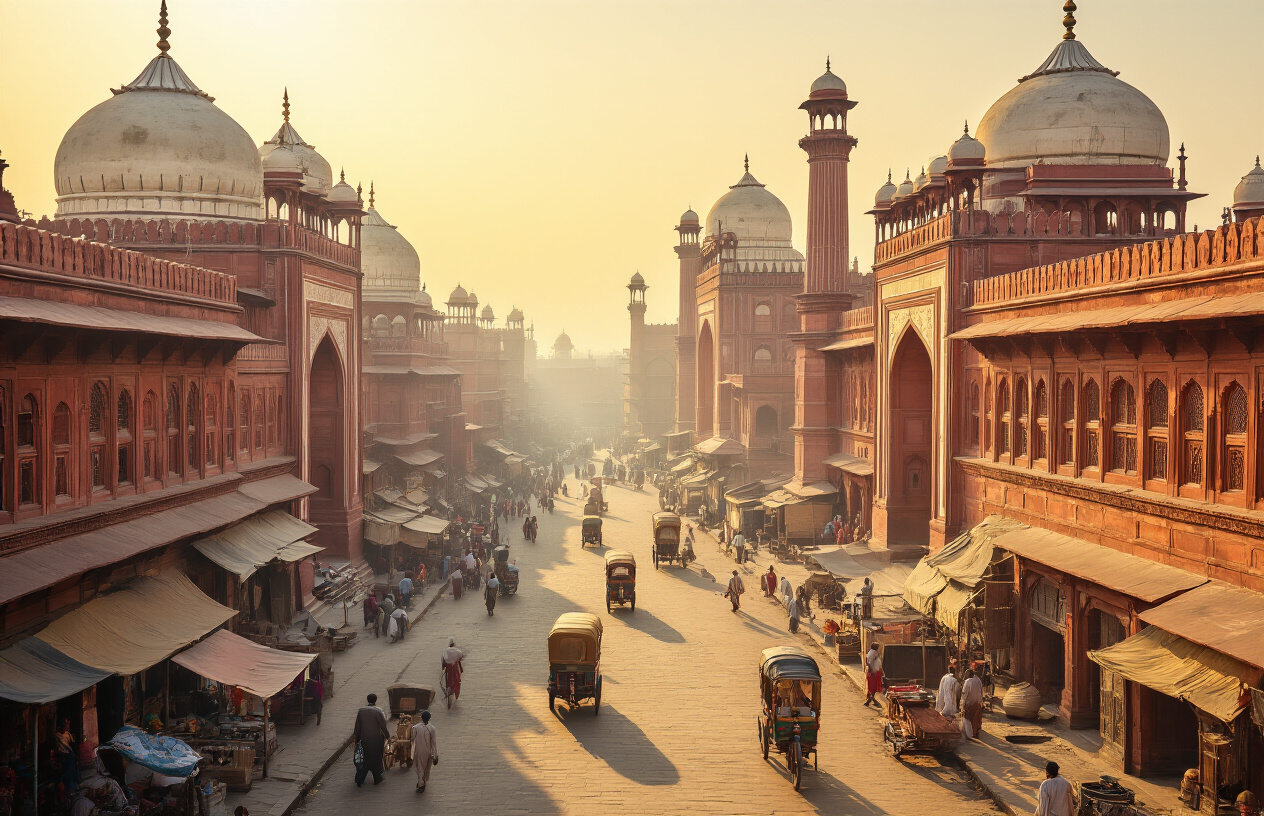
After soaking in royal history, dive into the chaos and energy of Chandni Chowk, just a short walk from the Red Fort. This 400-year-old market buzzes with activity that hits all your senses at once. Navigate the narrow lanes on foot or take a cycle rickshaw for the full experience.
Must-visit spots in Chandni Chowk:
- Paranthe Wali Gali – Famous lane serving stuffed parathas since 1872
- Dariba Kalan – Silver jewelry market with stunning traditional designs
- Kinari Bazaar – Wedding accessories and decorative items galore
- Spice Market – Aromatic spices piled high in colorful displays
The market’s energy is infectious, with vendors calling out their wares while shoppers bargain enthusiastically. Sample street food like jalebis, samosas, and kulfi, but stick to busy stalls with high turnover for freshness.
Afternoon visit to Jama Masjid and Raj Ghat memorial
After lunch, head to Jama Masjid, India’s largest mosque and another architectural masterpiece from Shah Jahan’s era. The mosque’s three massive gates, four towers, and two minarets create an imposing sight that dominates Old Delhi’s skyline. Built from red sandstone and white marble, it took 5,000 workers six years to complete.
Remove your shoes before entering the courtyard, which can accommodate 25,000 worshippers. The peaceful atmosphere inside contrasts sharply with the bustling streets outside. Climb the southern minaret for panoramic views of Old Delhi – the narrow staircase is steep but the cityscape view makes it worthwhile.
Visitor guidelines for Jama Masjid:
- Dress modestly (long pants, covered shoulders)
- Free entry, small fee for minaret climb
- Photography allowed in courtyard
- Closed during prayer times (check timings)
From Jama Masjid, take a taxi or auto-rickshaw to Raj Ghat, Mahatma Gandhi’s memorial. This simple black marble platform marking where Gandhi was cremated offers a stark contrast to the morning’s royal grandeur. The memorial sits in beautiful landscaped gardens alongside the Yamuna River, creating a serene space for reflection.
The eternal flame burns continuously, and the inscription “Hey Ram” (Gandhi’s last words) adds emotional weight to the visit. Walk through the surrounding memorial park with its various trees planted by world leaders and dignitaries who came to pay their respects.
Evening stroll through India Gate and surrounding gardens
End your historic Delhi tour at India Gate, the city’s most recognizable landmark. This 42-meter-high war memorial honors the 70,000 Indian soldiers who died fighting for the British Army during World War I and the Third Afghan War. The names of 13,300 servicemen are inscribed on the monument’s walls.
The area around India Gate transforms into Delhi’s social hub during evenings, especially on weekends. Families spread picnic blankets on the lawns while children play and vendors sell ice cream, balloons, and snacks. The wide lawns provide perfect spots for people-watching and soaking in local life.
Evening activities around India Gate:
- Rajpath walk – Stroll down the ceremonial boulevard toward Rashtrapati Bhavan
- Boating – Small paddle boats available in nearby areas during winter months
- Local snacks – Try bhel puri, corn on the cob, and ice cream from vendors
- Photography – Golden hour provides perfect lighting for monument photos
The memorial looks stunning when illuminated after sunset, creating golden reflections that photographers love. The surrounding gardens, designed by Sir Edwin Lutyens, showcase beautiful landscaping that changes with the seasons. During winter evenings, the weather is perfect for extended walks along the tree-lined paths.
Take time to walk toward Rashtrapati Bhavan (President’s House) along Rajpath to appreciate the grand scale of New Delhi’s design. The view stretching from India Gate to the presidential palace showcases British colonial architecture at its most ambitious, creating one of the world’s most impressive urban vistas.
Day 2: Modern Delhi and Cultural Immersion
Morning tour of Lotus Temple and Qutub Minar
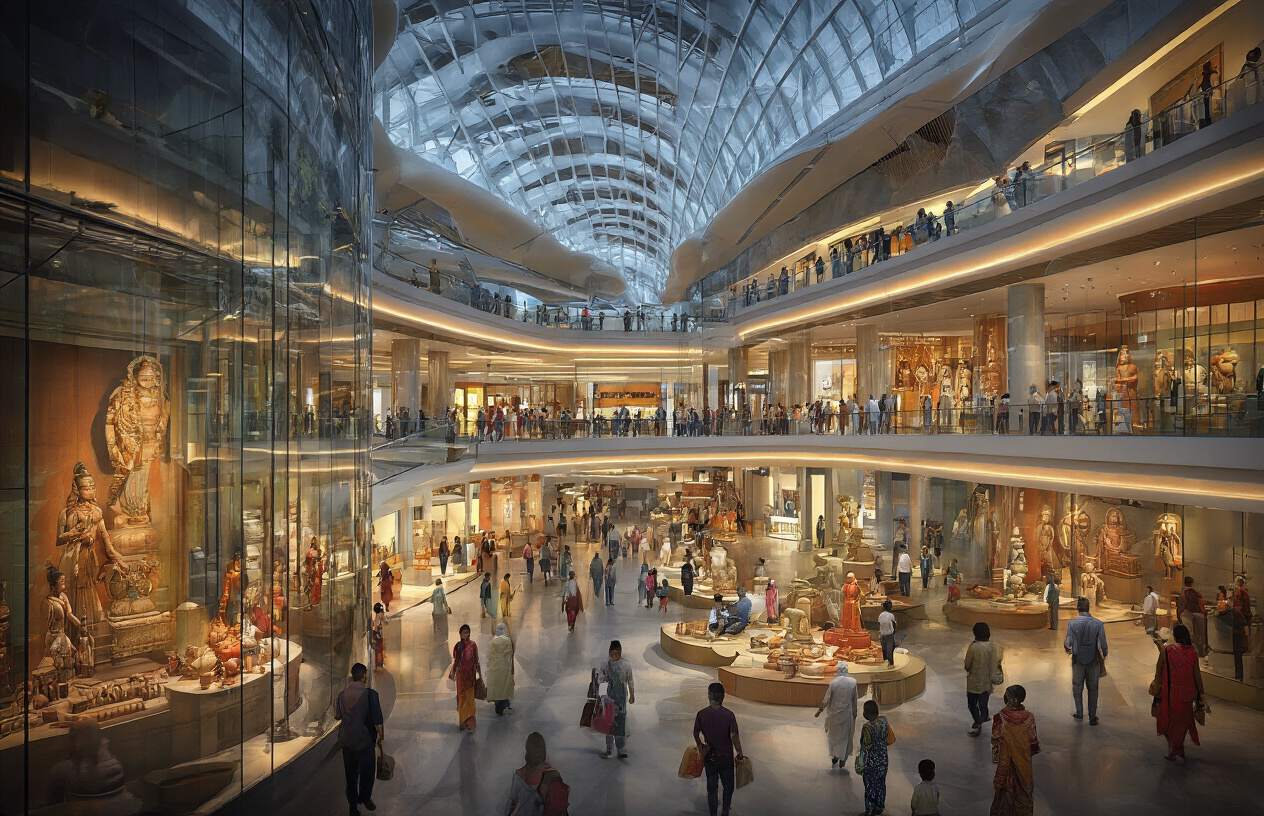
Start your second day early with the breathtaking Lotus Temple, a Bahá’í House of Worship that looks like a giant marble lotus flower blooming against Delhi’s skyline. The temple opens at 9 AM, and arriving early means fewer crowds and better photo opportunities. The architecture alone will leave you speechless – 27 white marble petals arranged in clusters form this stunning structure. Inside, the peaceful atmosphere creates a perfect moment for reflection and meditation. The temple welcomes people from all faiths, making it a beautiful symbol of unity in diversity.
After soaking in the serenity, head to the UNESCO World Heritage site of Qutub Minar. This 73-meter tall victory tower tells stories of medieval India through its intricate carvings and inscriptions. The complex houses several architectural marvels, including the famous Iron Pillar that has stood rust-free for over 1,600 years. Walk around the ruins of ancient mosques and tombs scattered throughout the area – each structure whispers tales from different dynasties that ruled Delhi.
Pro tip: Hire a local guide at Qutub Minar to uncover hidden stories and historical details you might miss otherwise. The entrance fee is minimal, and the experience becomes infinitely richer with expert commentary.
Afternoon shopping at Connaught Place and local bazaars
Connaught Place, or CP as locals call it, transforms into a shopper’s paradise by afternoon. This circular market buzzes with energy as vendors sell everything from trendy clothes to unique handicrafts. The Georgian-style architecture provides a charming backdrop for your shopping adventure. Start with the inner circle where you’ll find branded stores, then venture into the middle circle for street shopping and local finds.
Don’t miss the underground Palika Bazaar for electronics, accessories, and bargain hunting. The key to successful shopping here is negotiation – start at half the quoted price and work your way up. Local vendors appreciate friendly banter, so chat them up while browsing their wares.
For authentic Indian textiles and souvenirs, make your way to nearby Janpath Market or Khan Market. Janpath offers incredible deals on traditional Indian clothing, jewelry, and handicrafts. Khan Market caters to a more upscale crowd with boutique stores, bookshops, and cafes perfect for a quick refresh between shopping sprees.
Remember to keep your valuables secure and carry cash – many local vendors prefer cash transactions over cards.
Evening dining experience at authentic Delhi restaurants
Delhi’s culinary scene deserves serious attention, and your evening should revolve around experiencing its diverse flavors. Start with Old Delhi’s legendary Karim’s near Jama Masjid, where recipes have passed down through generations since 1913. Their mutton korma and kebabs melt in your mouth, offering authentic Mughlai cuisine that defined Delhi’s royal kitchens.
For vegetarian delights, head to Saravana Bhavan for South Indian specialties or Haldiram’s for North Indian comfort food. These restaurants serve generous portions at reasonable prices, perfect for sharing and trying multiple dishes. Don’t shy away from street food either – Chandni Chowk’s paranthas and chaats provide unforgettable taste experiences.
If you prefer a more upscale dining experience, consider restaurants like Indian Accent or Bukhara, which offer contemporary takes on traditional Indian cuisine. These establishments blend innovation with heritage, creating memorable meals worth the splurge.
Remember to pace yourself – Delhi’s rich, flavorful food can be overwhelming for first-timers. Start with milder dishes and gradually work your way up to spicier options.
Night photography at illuminated monuments
Delhi transforms magically after sunset, with monuments bathed in golden lights creating perfect photography opportunities. India Gate looks absolutely spectacular at night, surrounded by fountains and well-lit gardens. The wide lawns provide excellent vantage points for capturing the monument from different angles.
Red Fort’s red sandstone walls glow beautifully under floodlights, creating dramatic shadows and textures perfect for architectural photography. The nearby Jama Masjid also offers stunning night shots with its white domes and minarets silhouetted against the dark sky.
For the best shots, bring a tripod or find stable surfaces to rest your camera on. Night photography requires longer exposure times, so steady hands are essential. Play with different angles – low shots can make monuments appear more imposing, while elevated positions offer unique perspectives of the surrounding cityscape.
The area around Humayun’s Tomb becomes particularly enchanting after dark, with subtle lighting highlighting the garden pathways and architectural details. Security guards are usually present at these locations, making night photography relatively safe for tourists.
Consider joining a photography walk or hiring a local photographer who knows the best spots and timing for optimal lighting conditions.
Transportation Mastery for Efficient City Navigation
Metro system navigation and money-saving tips
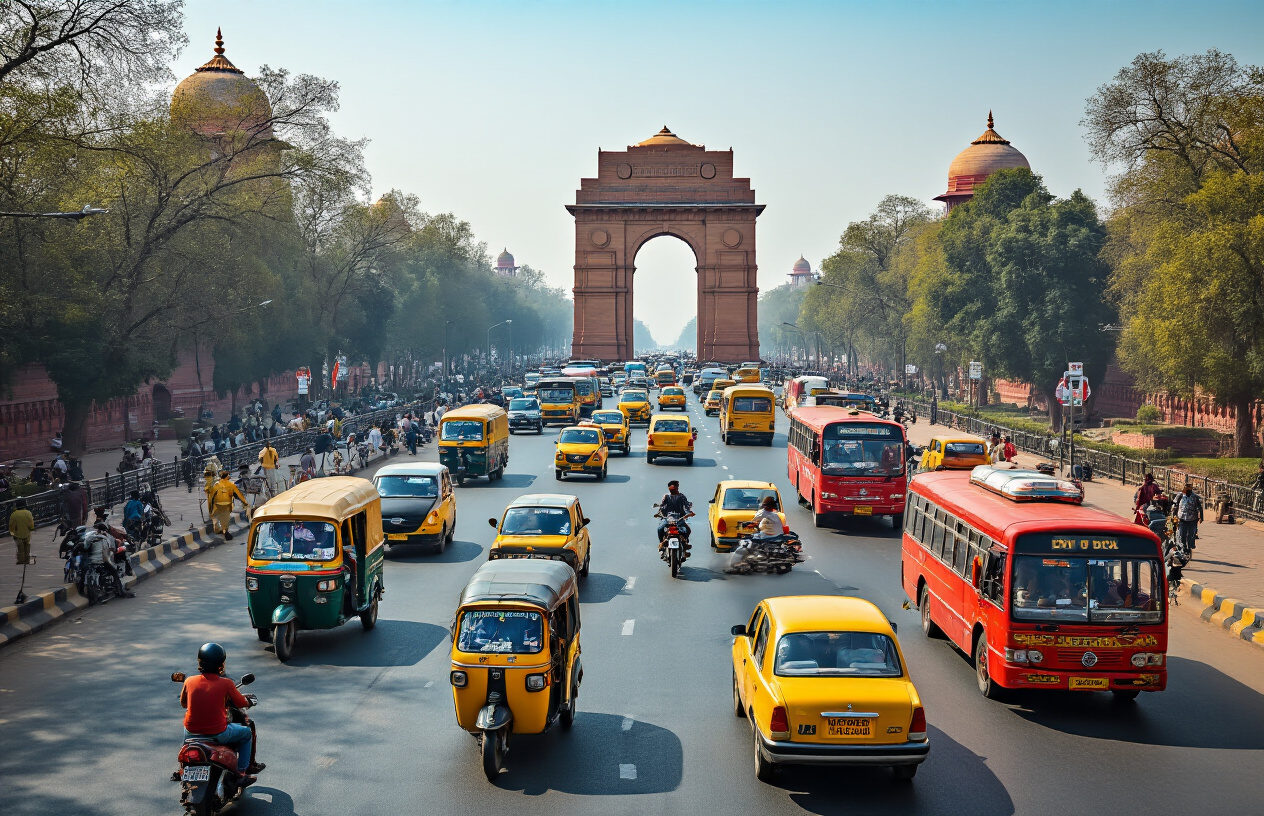
Delhi Metro stands as one of the most efficient ways to explore the capital. The network covers nearly every major attraction across the city, making it your best friend for quick and affordable travel. Download the Delhi Metro app before you arrive – it shows real-time schedules, route planning, and estimated travel times.
Smart cards save both time and money compared to tokens. You can purchase them at any metro station and add credit as needed. The cards offer a 10% discount on all journeys and skip the token queues entirely. Tourist cards provide unlimited travel for 1-3 days, perfect for intensive sightseeing.
Peak hours (8-10 AM and 6-8 PM) bring massive crowds, so plan your major attractions visits during mid-morning or afternoon. The first coach is reserved for women during these busy periods. Each station has clear signage in Hindi and English, plus announcements in both languages.
Color-coded lines make navigation straightforward – Red Line connects Old Delhi to South Delhi, Blue Line runs east to west, and Yellow Line serves central areas. Most tourist spots connect directly to metro stations or require short auto-rickshaw rides from nearby stops.
Auto-rickshaw and taxi booking strategies
Auto-rickshaws offer flexibility that metro can’t match, especially for short distances and narrow lanes in Old Delhi. Always insist on using the meter or agree on a fare before starting your journey. Standard rates are ₹25 for the first 2 kilometers, then ₹8 per kilometer after that, plus a 25% night surcharge after 11 PM.
Ride-hailing apps like Ola and Uber eliminate fare negotiations and provide upfront pricing. Both services offer auto-rickshaw bookings through their apps at competitive rates. Keep cash handy since many drivers prefer cash payments over digital transactions.
For longer distances or air-conditioned comfort, prepaid taxi counters at metro stations and airports offer fixed rates to major destinations. These eliminate haggling and guarantee reliable service. Regular black-and-yellow taxis should always use meters – politely insist if drivers refuse.
Book rides during off-peak hours for better availability and lower surge pricing. Early morning rides (before 8 AM) and late morning (10 AM-12 PM) typically offer the best rates and quickest pickup times.
Walking routes between nearby attractions
Old Delhi rewards walkers with incredible discoveries between major sites. The stretch from Jama Masjid to Red Fort takes just 15 minutes on foot, passing through bustling bazaars and street food stalls. This walk captures the authentic essence of historic Delhi better than any vehicle ride.
Connaught Place forms a perfect circle for walking exploration. The inner and outer circles connect shopping areas, restaurants, and nearby attractions like Janpath Market. The entire circuit takes about 45 minutes at a leisurely pace, with plenty of spots to rest and people-watch.
India Gate to Rashtrapati Bhavan creates a magnificent walking route along Rajpath. This 2-kilometer stretch showcases British colonial architecture and offers fantastic photo opportunities. Early morning or late afternoon walks provide the best lighting and comfortable temperatures.
Lodhi Gardens connects multiple tomb sites within its boundaries, making it perfect for combining history with pleasant walking. The garden paths link Bara Gumbad, Sheesh Gumbad, and Muhammad Shah’s tomb within a compact area that takes 2-3 hours to explore thoroughly.
Mehrauli Archaeological Park contains over 100 monuments within walking distance of each other. Well-marked paths connect Qutub Minar with lesser-known gems like Jamali Kamali Mosque and Balban’s tomb. Wear comfortable shoes and carry water, especially during warmer months.
Food Adventures That Define Delhi’s Culinary Scene
Street food hotspots for authentic local flavors
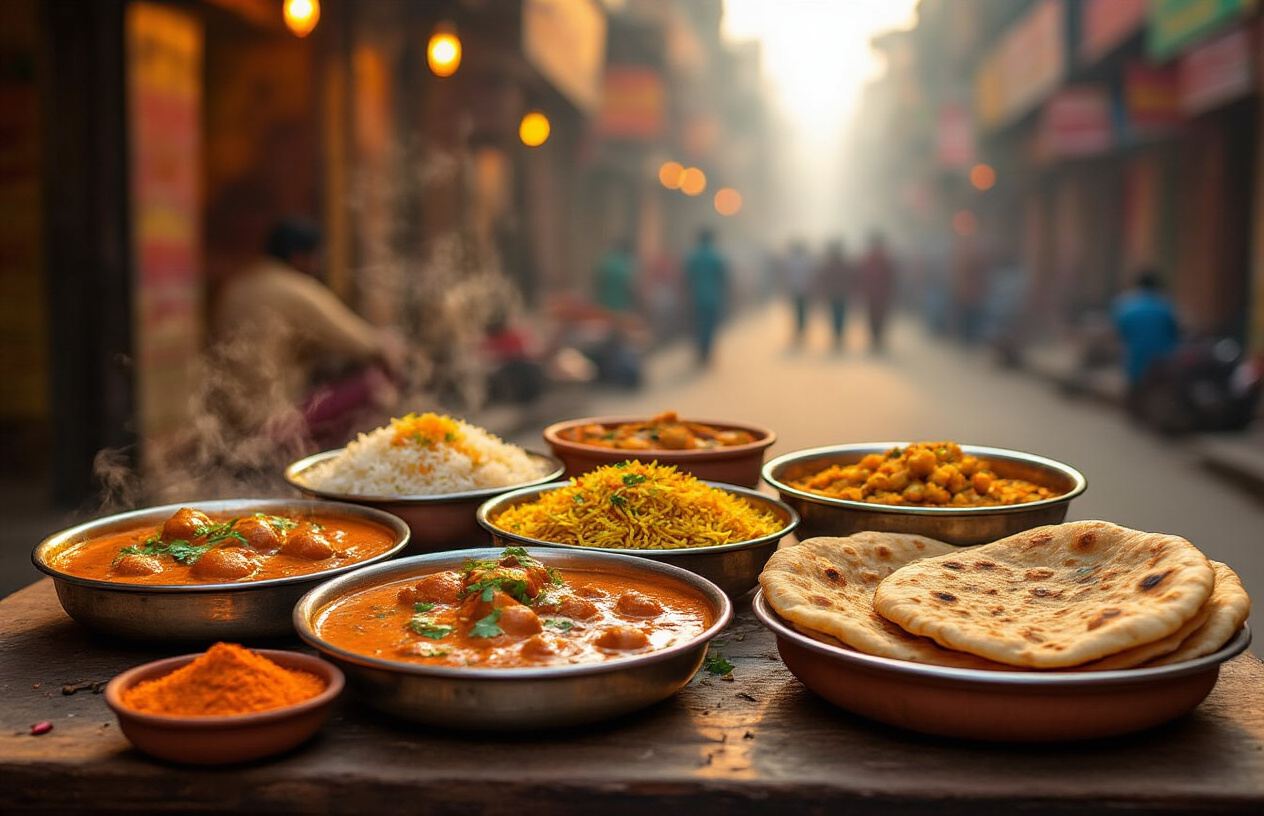
Delhi’s street food scene is legendary, with each corner offering a new adventure for your taste buds. Start your culinary journey at Chandni Chowk, where narrow lanes hide some of the city’s most iconic eateries. Paranthe Wali Gali serves stuffed parathas that have been delighting visitors since the 1870s, while Karim’s near Jama Masjid offers mouthwatering kebabs and mutton curry that locals swear by.
Head to Connaught Place for a different vibe, where Bengali Market’s chaat stalls serve crispy gol gappas and tangy aloo tikki that burst with flavor. The area around Khan Market provides excellent momos and North Indian snacks, perfect for a quick bite between shopping.
For South Delhi’s street food scene, visit Lajpat Nagar market where you’ll find amazing chole bhature and fresh fruit chaat. Sarojini Nagar market combines shopping with fantastic street food options, including spicy pav bhav and refreshing kulfi.
Don’t miss Old Delhi Railway Station’s surrounding areas, where vendors sell the famous bedmi puri and nagori halwa combo early in the morning. Each location offers distinct flavors that represent different communities and their culinary traditions, making every bite a cultural experience.
Fine dining restaurants showcasing regional cuisine
Delhi’s upscale dining scene beautifully represents India’s diverse regional cuisines through carefully curated menus and elegant presentations. Indian Accent stands out for its innovative take on traditional Indian flavors, serving dishes like duck khurchan and soy keema that reimagine classic recipes with contemporary techniques.
Bukhara at ITC Maurya remains a must-visit for authentic North-West Frontier cuisine, famous for its dal Bukhara and sikandari raan that attract food lovers from around the world. The restaurant’s rustic ambiance perfectly complements its robust flavors and tandoor-cooked specialties.
For South Indian fine dining, Dakshin offers an extensive menu featuring authentic dishes from Tamil Nadu, Kerala, Karnataka, and Andhra Pradesh. Their filter coffee and traditional thali presentations provide an immersive experience of South Indian culture.
Varq showcases molecular gastronomy techniques applied to Indian cuisine, creating visually stunning dishes that maintain authentic flavors. Their tasting menus change seasonally, incorporating regional ingredients and traditional cooking methods.
Dum Pukht specializes in Awadhi cuisine, serving slow-cooked biryanis and kormas in an elegant setting that reflects the royal heritage of Lucknow. The restaurant’s attention to traditional cooking methods and spice blending creates an unforgettable dining experience that justifies the splurge.
Safety tips for enjoying street food without health concerns
Smart choices and careful observation can help you enjoy Delhi’s incredible street food safely. Watch the vendor’s cooking process and choose stalls where food is prepared fresh in front of you. High turnover usually indicates good quality and freshness, so busy stalls often provide safer options than quiet ones.
Stick to fully cooked items and avoid raw vegetables or salads that might have been washed with tap water. Fried foods like samosas and kachoris are generally safer because the high cooking temperatures kill harmful bacteria. Fresh fruit that you can peel yourself, like bananas or oranges, poses minimal risk.
Choose vendors who maintain clean cooking areas and use separate utensils for different dishes. Look for places where locals eat regularly, as they know which spots maintain good hygiene standards. Avoid ice unless you’re confident about the water source, and stick to bottled water or hot beverages like tea.
Carry hand sanitizer and use it before eating. Start with small portions to test your stomach’s reaction, especially on your first day. If you have a sensitive stomach, consider taking probiotics a few days before your trip to boost your digestive system’s resilience.
Trust your instincts – if something looks, smells, or tastes off, don’t continue eating it. Most importantly, don’t let fear prevent you from experiencing Delhi’s amazing food culture; just be smart about your choices.
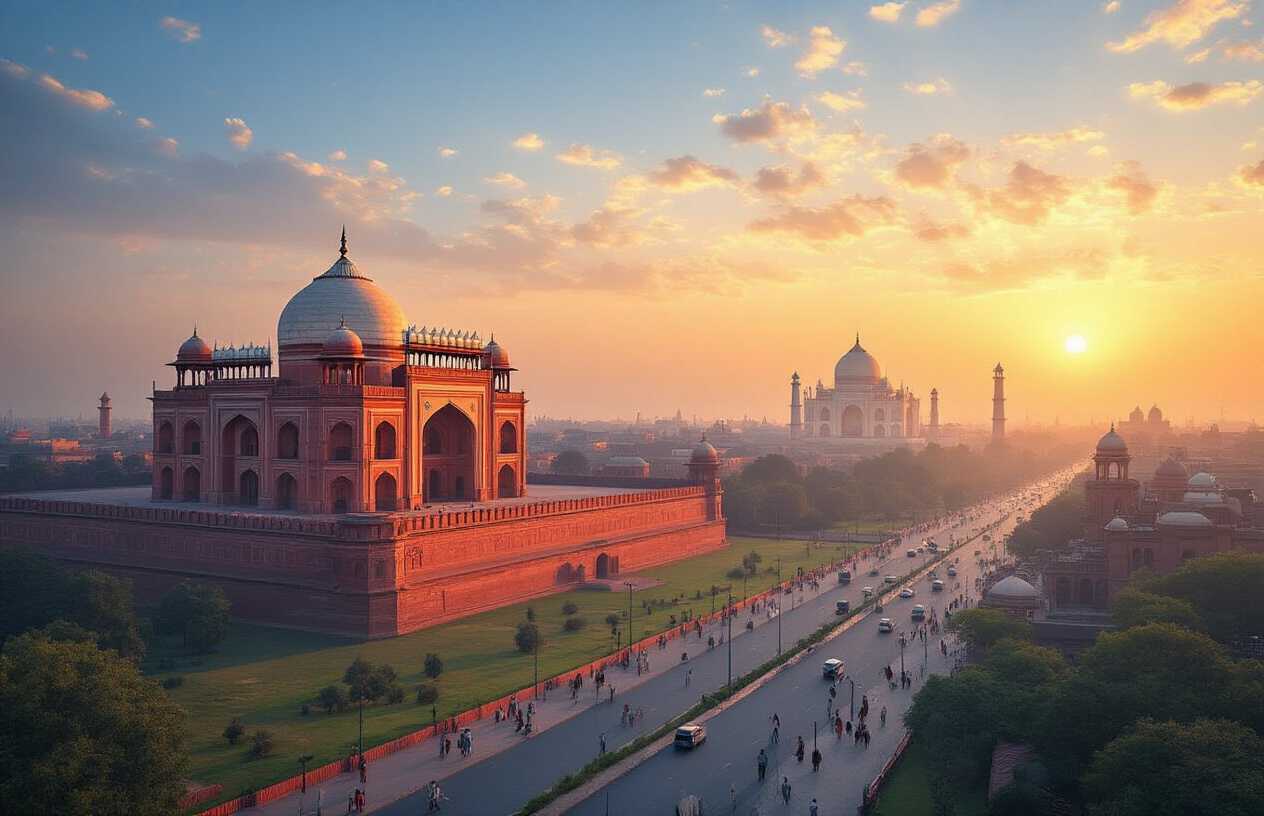
Delhi packs an incredible punch in just 48 hours, giving you the perfect taste of India’s vibrant capital. You’ll walk through centuries of history at Red Fort and Humayun’s Tomb, then switch gears to experience the modern energy of Connaught Place and Khan Market. The city’s food scene alone makes the trip worthwhile – from street-side paranthas in Old Delhi to trendy cafes in Hauz Khas, every meal tells a story.
Smart planning makes all the difference for your Delhi adventure. Book your metro card on day one, keep comfortable walking shoes handy, and don’t pack your schedule too tight – Delhi rewards those who take time to soak in its atmosphere. Start planning your two-day Delhi escape today, and get ready to fall in love with a city that perfectly blends ancient traditions with modern ambitions.